
24 Sep 2025, New Delhi
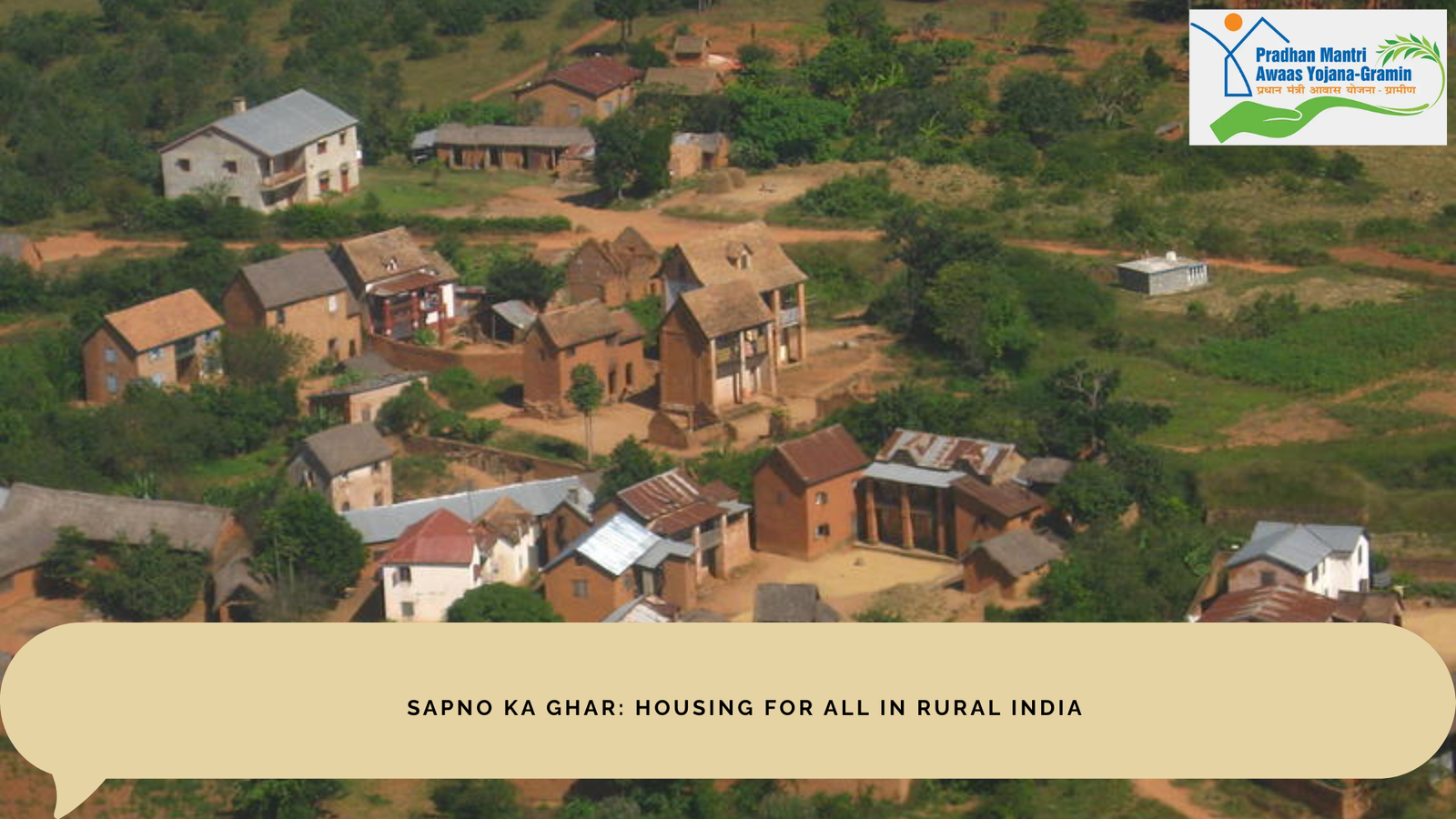
The government’s Pradhan Mantri Awaas Yojana–Gramin (PMAY-G) is helping rural families get safe and comfortable houses. Since 2016, the scheme has aimed to provide “Housing for All” in villages, especially for poor and landless families.
So far, 2.82 crore houses have been built out of the 4.12 crore sanctioned. About 2,68,480 landless beneficiaries have also received homes. The scheme has generated 568 crore person-days of employment, giving work opportunities while building houses.
How the Scheme Helps
Eligible families receive financial assistance to build pucca houses with basic facilities like a kitchen and toilet. The amount varies from ₹1.20 lakh in plain areas to ₹1.30 lakh in hilly states. Houses are designed to be strong, disaster-resistant, and culturally suitable. Beneficiaries also get access to piped water, electricity, LPG, and building materials through other government programs.
Technology Ensures Transparency
PMAY-G uses apps like Awaas+ 2024 and systems like AwaasSoft to track progress. Houses are monitored through geo-tagged photos, Aadhaar-based payments, and AI/ML fraud checks. Beneficiaries can also select house designs digitally, and officials regularly inspect construction to ensure quality.
Employment and Skill Development
The scheme provides 90–95 days of wage employment to each beneficiary through MGNREGS. More than 2.97 lakh masons have been trained, some even working abroad. The construction work also creates jobs in material production and transport.
Progress and Targets
The government has extended PMAY-G until 2028-29, adding a target of 2 crore more houses, bringing the total to 4.95 crore houses. For 2025–26 alone, 32.9 lakh houses are targeted, with 25.6 lakh already sanctioned.
PMAY-G is transforming rural India by giving families safe, dignified, and modern homes. The combination of financial support, technology, and employment opportunities is improving living standards, promoting social inclusion, and supporting economic growth.
Source: PIB
