
06 AUG 2025 | New Delhi
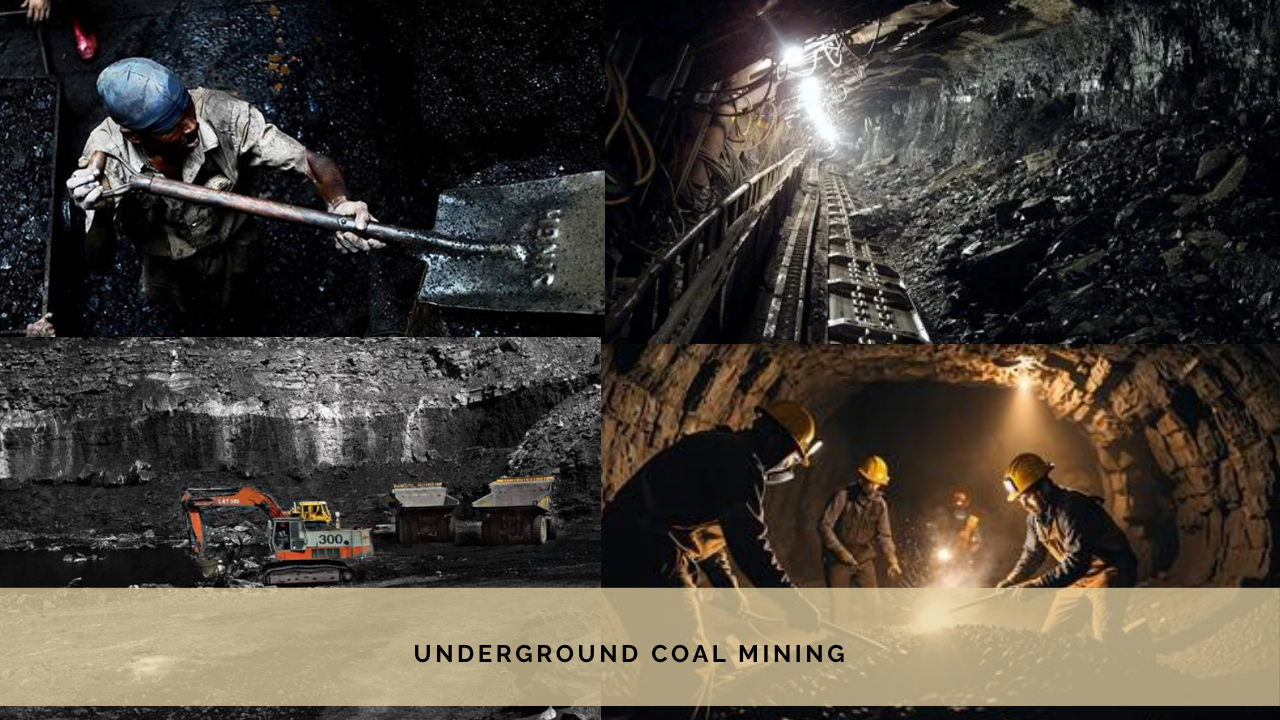
The Government of India is actively promoting underground coal mining as a more sustainable and environmentally friendly alternative to traditional opencast mining. Union Minister of Coal and Mines Shri G. Kishan Reddy shared key insights into the benefits and policy support being extended to underground mining in a written reply in the Lok Sabha.
Environmental and Social Benefits of Underground Mining
Underground coal mining offers several critical advantages:
-
Minimal Surface Disruption: Unlike opencast mining, underground operations cause little damage to surface features, reducing the impact on infrastructure, agricultural land, forests, and residential zones.
-
Reduced Pollution: The technique generates significantly less dust and noise, making it more eco-friendly and better suited for operations near human habitation.
-
Efficient Resource Utilization: Deep-seated coal reserves, often of higher quality, are better accessed through underground mining.
-
Smaller Surface Footprint: Underground operations leave less land degraded, contributing to lower greenhouse gas emissions linked to deforestation and land use change.
-
Year-Round Safety: Underground mines are more resilient to weather events like heavy rains and flooding, making them safer for operations throughout the year.
Government Incentives to Promote Underground Mining
To encourage investment in underground mining, the Ministry has amended the auction methodology for coal and lignite blocks as of April 23, 2025. The changes include:
- Reduced Floor Revenue Share: From standard rates to just 2%.
- Complete Waiver of Upfront Amount: Lowering the entry barrier for investors.
These incentives apply strictly to mines reserved for underground operations. Importantly, once allotted, these mines cannot be converted to opencast or mixed mining modes at any point.
Declining Share and Plans for Revival
Despite its advantages, the share of underground coal production in India’s total coal output has seen a steady decline over the past five years:
| Year | % of Underground (UG) Production |
|---|---|
| 2019–20 | 5.54% |
| 2020–21 | 4.50% |
| 2021–22 | 4.26% |
| 2022–23 | 3.90% |
| 2023–24 | 3.44% |
To reverse this trend, coal companies and the Government are implementing the following measures:
-
Adoption of Mass Production Technology: Enhancing efficiency and output from underground mines.
-
Mine Development and Operation (MDO) Projects: Leveraging private sector expertise for reopening and operating underground mines under revenue-sharing models.
-
Revival of Abandoned Mines: Previously discontinued underground mines are being reconsidered for re-operation using modern technologies and MDO partnerships.
The renewed focus on underground mining aligns with India’s broader energy and environmental goals—maximizing resource utilization while minimizing ecological and social disruption. With the right mix of incentives, technology adoption, and policy support, underground coal mining is poised to play a more significant role in India’s sustainable energy strategy.
Source: PIB
