
12 AUG 2025 | New Delhi
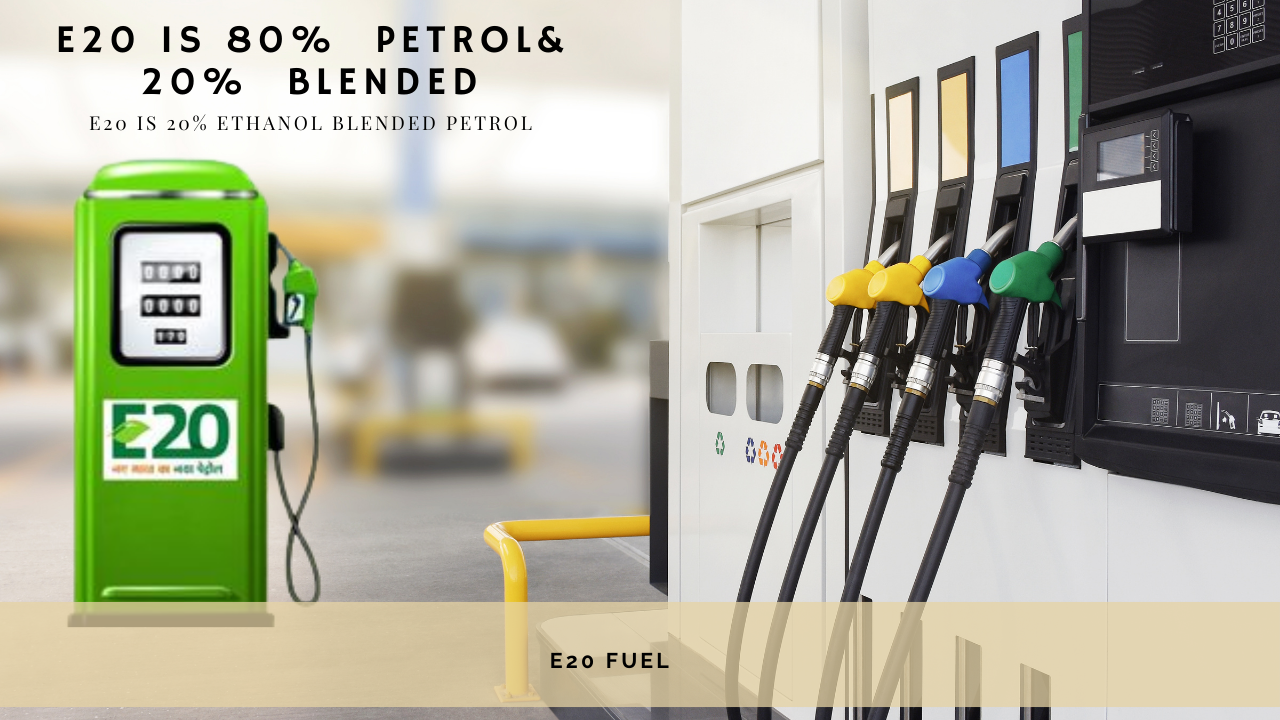
The Ministry of Petroleum and Natural Gas has addressed concerns over the impact of 20% ethanol-blended petrol (E20) on vehicle performance, mileage, and costs, stressing that the programme delivers significant environmental, economic, and rural benefits.
According to the ministry, ethanol blending has saved India over ₹1.44 lakh crore in foreign exchange, replaced 245 lakh metric tonnes of crude oil, and cut CO₂ emissions by 736 lakh metric tonnes equal to planting 30 crore trees since 2014-15. Farmers earned an estimated ₹40,000 crore this year from ethanol supply.
Performance & Safety
- E20 offers up to 30% lower carbon emissions than E10 and better acceleration due to ethanol’s higher octane rating.
- Most modern vehicles are E20-compatible, with some models ready since 2009.
- Any efficiency drop is “marginal” and influenced more by driving habits and maintenance than fuel type.
- Older vehicles may need occasional gasket or rubber part replacement an inexpensive process handled during routine servicing.
While ethanol was cheaper than petrol in 2020-21, procurement costs have since risen. The current average ethanol price is ₹71.32 per litre, higher than refined petrol. Despite this, oil companies continue blending due to its benefits for energy security, rural incomes, and sustainability.
The ministry dismissed rumours that E20 voids vehicle insurance, calling them “baseless fear-mongering.” Insurance validity remains unaffected, and automakers are supporting customers for any tuning or part replacement needs.
The government plans to maintain E20 blending until at least October 31, 2026. Any move beyond will follow extensive consultations with industry, oil companies, and farmers.
Officials stressed that biofuels and natural gas are “bridge fuels” in India’s journey to net zero by 2070, and E20 is a critical step in reducing pollution and boosting farmer incomes.
Source: PIB
